

Quick answer
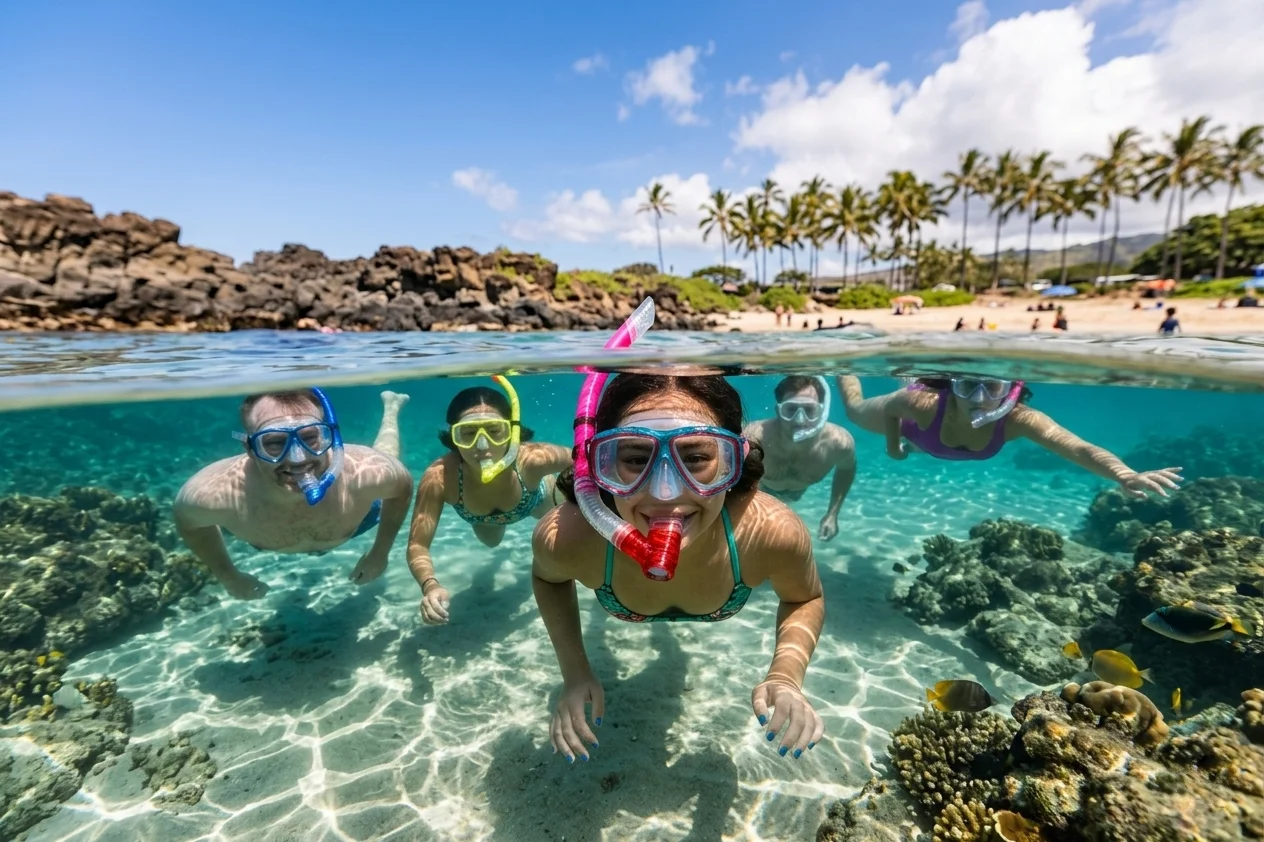
Snorkeling Oahu Sharks Cove is free and open 24 hours daily at 59-690 Kamehameha Highway in Pupukea. The protected cove offers the best conditions during summer months (May through September) when ocean swells subside, while winter brings powerful surf that makes the area dangerous for snorkeling. Arriving between 7:00 and 9:00 AM secures limited roadside parking before midday crowds fill the small lot.
The rocky lava shelf that defines Sharks Cove creates a natural barrier against open-ocean currents, forming tide pools and channels where juvenile fish find shelter among coral formations. The conservation district designation prohibits fishing and collecting, which has allowed reef populations to recover since protection began in the 1980s. Snorkeling at Sharks Cove means navigating a lava rock entry rather than a sandy beach. The main pool sits behind the outer reef, accessible through a wide channel on the right side of the cove when facing the ocean. Depths range from two feet in the inner pools to thirty feet near the outer wall. Green sea turtles graze on algae along the rocks, and schools of yellow tang, parrotfish, and surgeonfish move through the channels. The left side of the cove features shallow tide pools where octopus and small reef fish hide in crevices during low tide. Summer trade winds typically calm by mid-morning, creating mirror-flat water that extends visibility to 60 feet or more. Winter transforms the site completely. North Pacific swells that arrive between October and April generate powerful shore break and surge that make entry impossible and dangerous. Local dive shops and lifeguards post closure warnings during high surf, but the park itself remains open for tide pool observation from the rocks. The Pupukea location sits along Kamehameha Highway between Waimea Bay and Sunset Beach, roughly 40 minutes north of Honolulu. Roadside parking fills quickly on calm summer days, with most visitors arriving before 9:00 AM or after 2:00 PM when afternoon shadows cool the rocky entry. The surrounding area includes food trucks, a small market, and public restrooms at the adjacent beach park. Sharks Cove functions as a day-use site with no camping or overnight facilities, and the narrow coastal road means parking enforcement is consistent throughout the day.
“The rocky lava shelf that defines Sharks Cove creates a natural barrier against open-ocean currents, forming tide pools and channels where juvenile fish find shelter among coral formations.”
Best Time for Snorkeling Oahu Sharks Cove
The best arrival window is 07:00–09:00 to secure parking and experience calm water conditions before midday crowds arrive. Planning your visit during these hours ensures optimal visibility and easier access to the water.
Summer Months
High volume of visitorsCalm waters, 75°F–85°F
Summer offers the most consistent conditions for snorkeling at this location.
Winter Months
Lower volume of visitorsHigh surf, 70°F–78°F
Water conditions can be hazardous due to north shore swells.
Weekday Mornings
Minimal crowds—
Arriving early provides the best opportunity to avoid peak congestion and enjoy calmer entry points.
Verdict: The best time for snorkeling Sharks Cove is between 07:00–09:00 during the summer months to balance calm water conditions with manageable crowd levels.
Opening Hours for Snorkeling Oahu Sharks Cove
Sharks Cove is a public marine conservation area accessible to visitors throughout the week. The site remains open for snorkeling activities 24 hours a day.
| Monday | 00:00–23:59 | |
|---|---|---|
| Tuesday | 00:00–23:59 | |
| Wednesday | 00:00–23:59 | |
| Thursday | 00:00–23:59 | |
| Friday | 00:00–23:59 | |
| Saturday | 00:00–23:59 | |
| Sunday | 00:00–23:59 |
Getting to Snorkeling Oahu Sharks Cove
Sharks Cove is located on the North Shore of Oahu at 59-690 Kamehameha Hwy, Pupukea, HI 96712. The most direct approach is by car via Kamehameha Highway.
Kamehameha Highway (Hwy 83)
TheBus Route 60
Underwater Sights at Snorkeling Oahu Sharks Cove
Sharks Cove is a protected marine life conservation area characterized by volcanic rock formations and high biodiversity. The sheltered coves provide a habitat for diverse fish species and crustaceans in shallow, clear water.
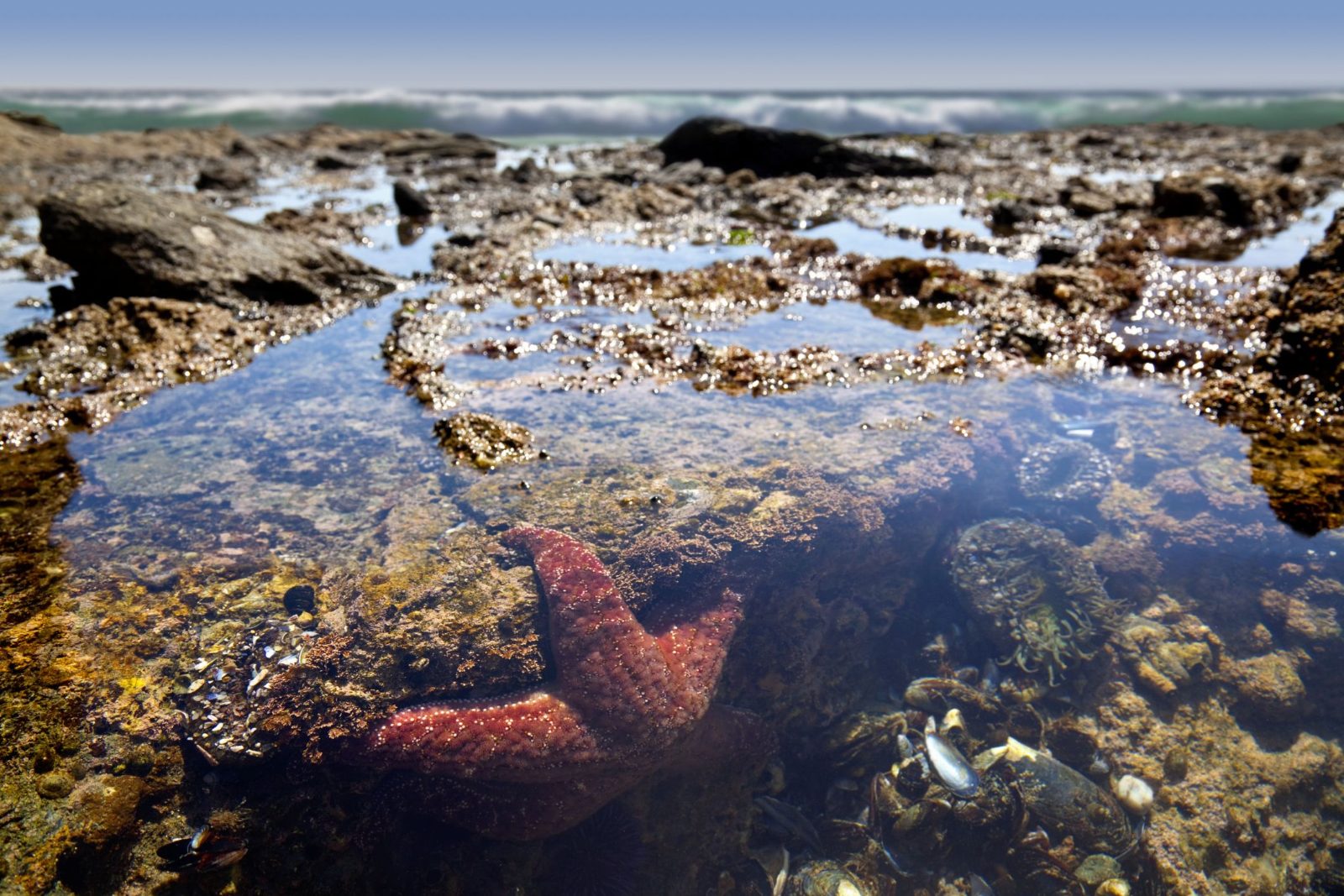
Pupukea Tide Pools
These shallow basalt formations hold trapped seawater and small marine creatures at low tide.
Inspect the rock crevices carefully for small octopus and sea urchins.
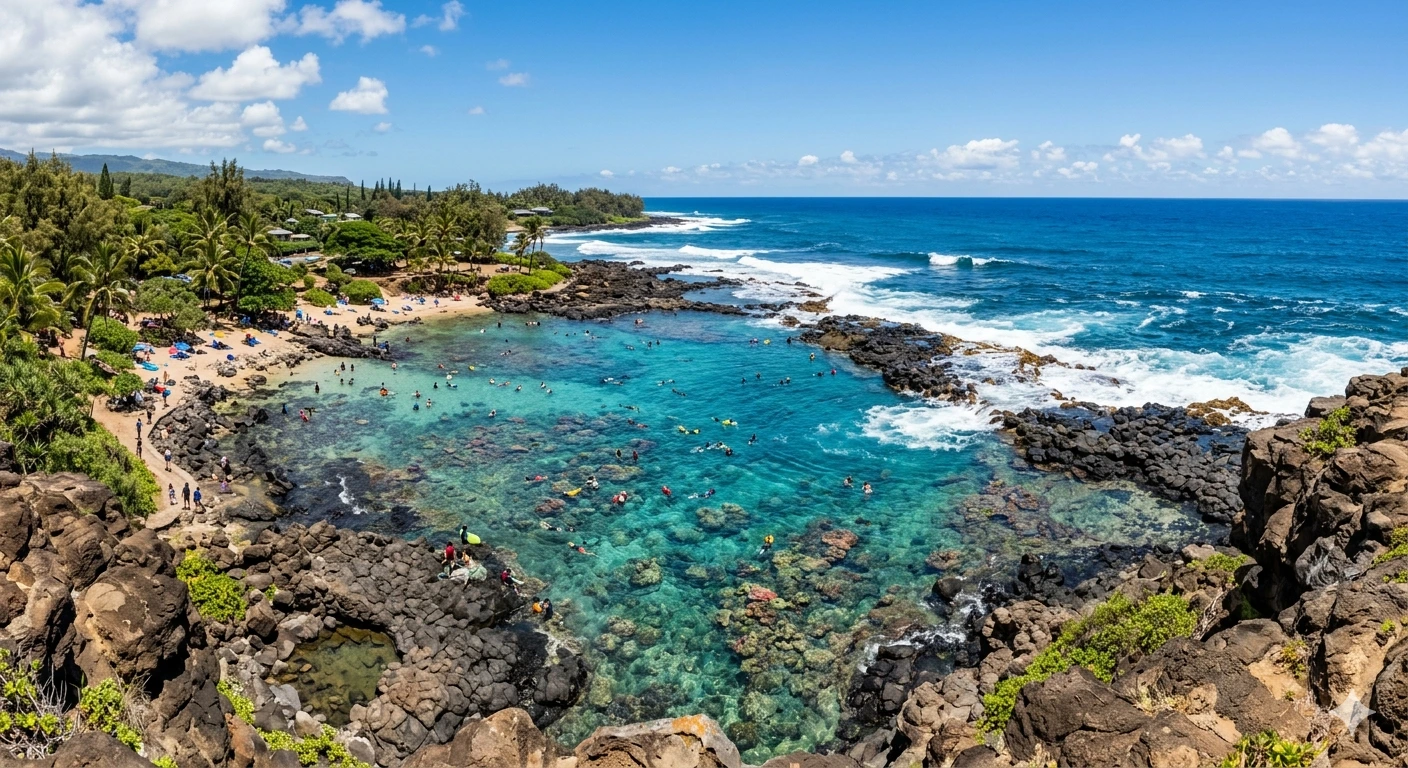
Lava Rock Channels
Underwater canyons created by ancient lava flows provide swim-throughs and shelter for fish.
Follow the channels toward the open ocean to find larger fish species.
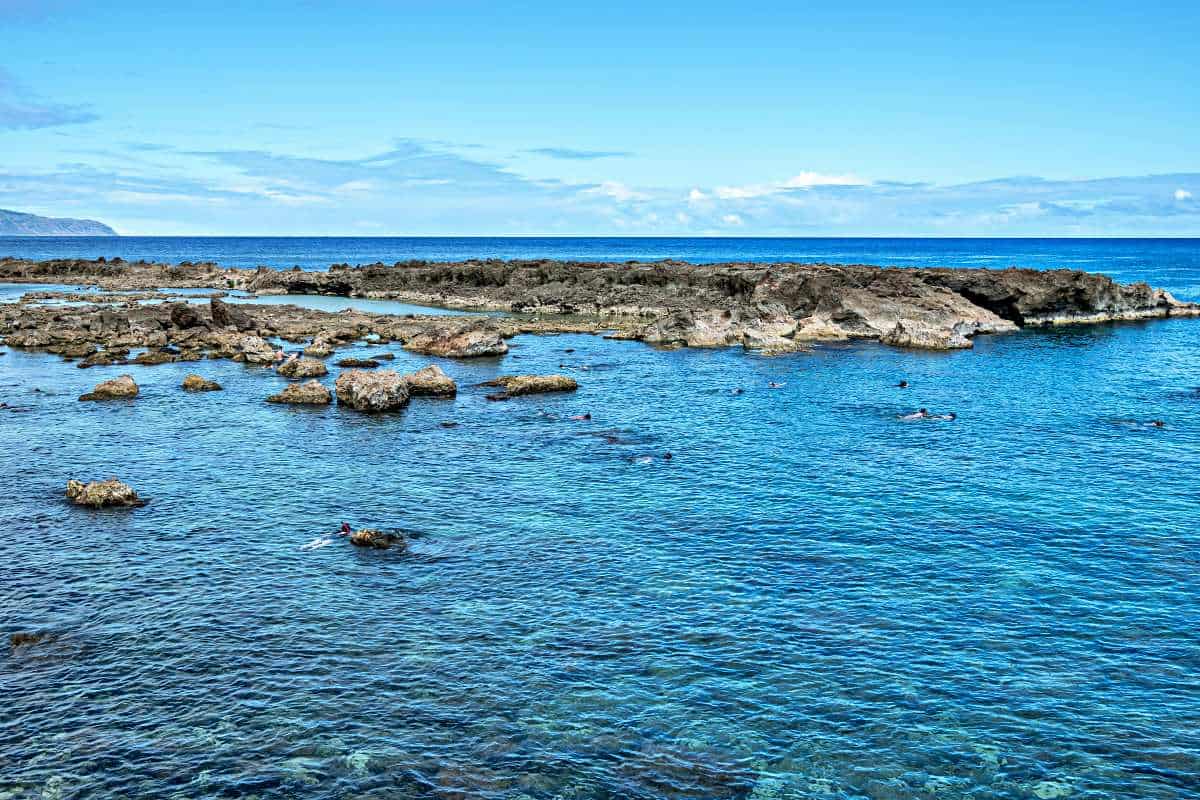
Reef Flats
The shallow floor of the cove consists of flat volcanic rock covered in algae and coral patches.
Observe the reef from the surface to avoid damaging the coral structures.
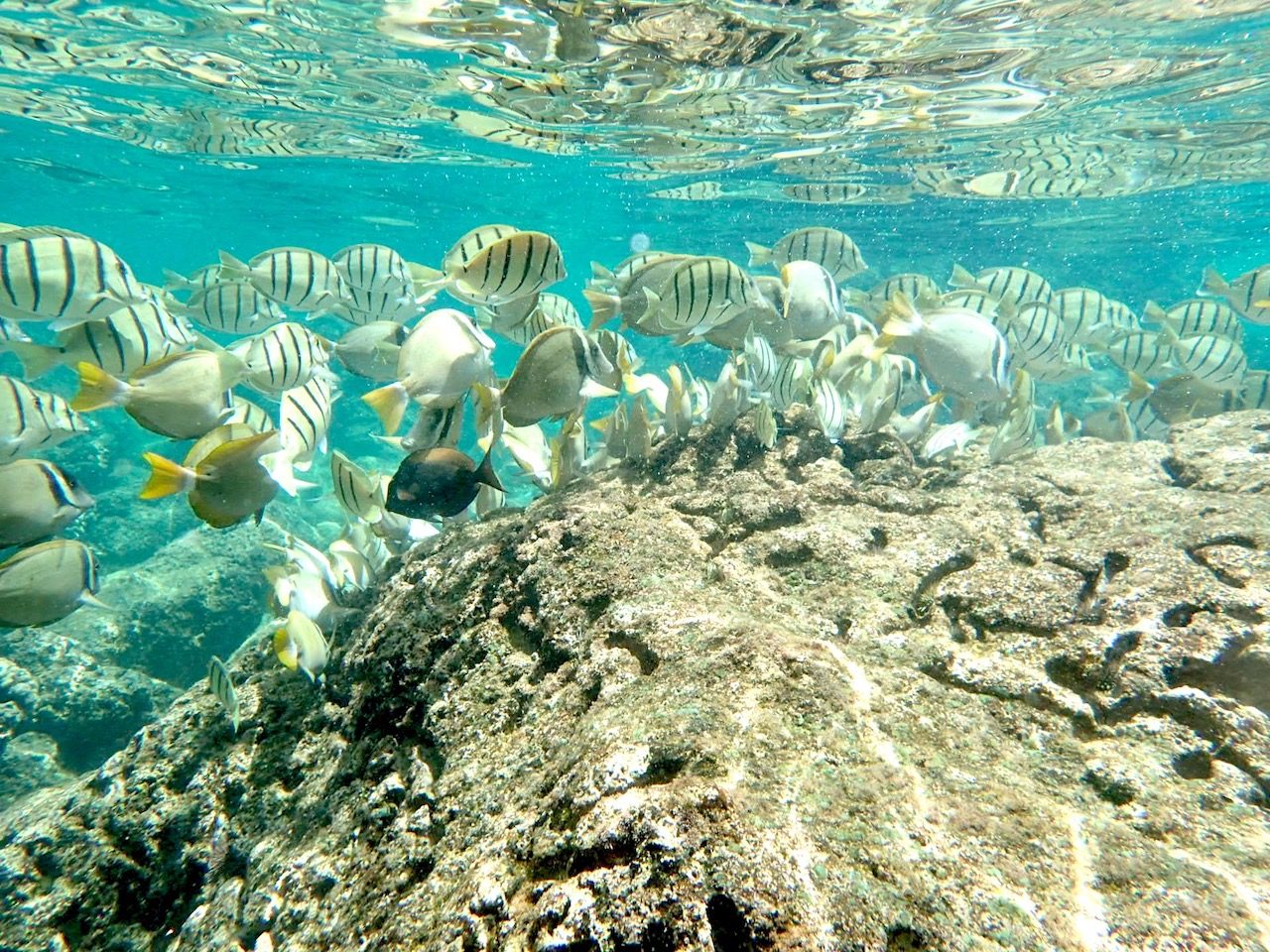
Fish Abundance
The area hosts schools of surgeonfish, butterflyfish, and occasionally sea turtles.
Look for movement near the rock walls where fish seek cover.
Insider Tips for Snorkeling Oahu Sharks Cove
Navigating the rocky environment at Sharks Cove requires specific preparation to ensure a comfortable and safe experience.
Footwear requirements
Wear sturdy water shoes or reef-safe sandals with grip to protect your feet from the uneven, sharp volcanic rock surrounding the entry points. Avoid entering barefoot to prevent cuts on the jagged basalt base.
Water entry points
Enter the water through the designated sandy channels if available, rather than jumping from the rocky ledges. Observing where experienced snorkelers enter helps you identify the path with the least amount of urchin presence.
Equipment stability
Use a low-volume mask to reduce drag and ensure a tight seal against the potentially choppy surface conditions. A snorkel with a purge valve is recommended to clear water quickly if waves crest over the tube.
Reef protection
Maintain neutral buoyancy to avoid contact with the shallow rock formations and fragile marine life. Keep your fins parallel to the surface to prevent kicking the bottom or disturbing the ecosystem.
Safety gear
Consider wearing a lightweight snorkel vest for added buoyancy if you plan to explore the outer edges of the cove. This provides security when currents shift or if you encounter fatigue while navigating the perimeter.
Nearby Attractions After Snorkeling Oahu Sharks Cove
The North Shore offers several distinct coastal locations within a short drive of Sharks Cove, allowing visitors to experience different facets of the island's geography. These spots complement a morning snorkeling session by providing varied shorelines and park environments.
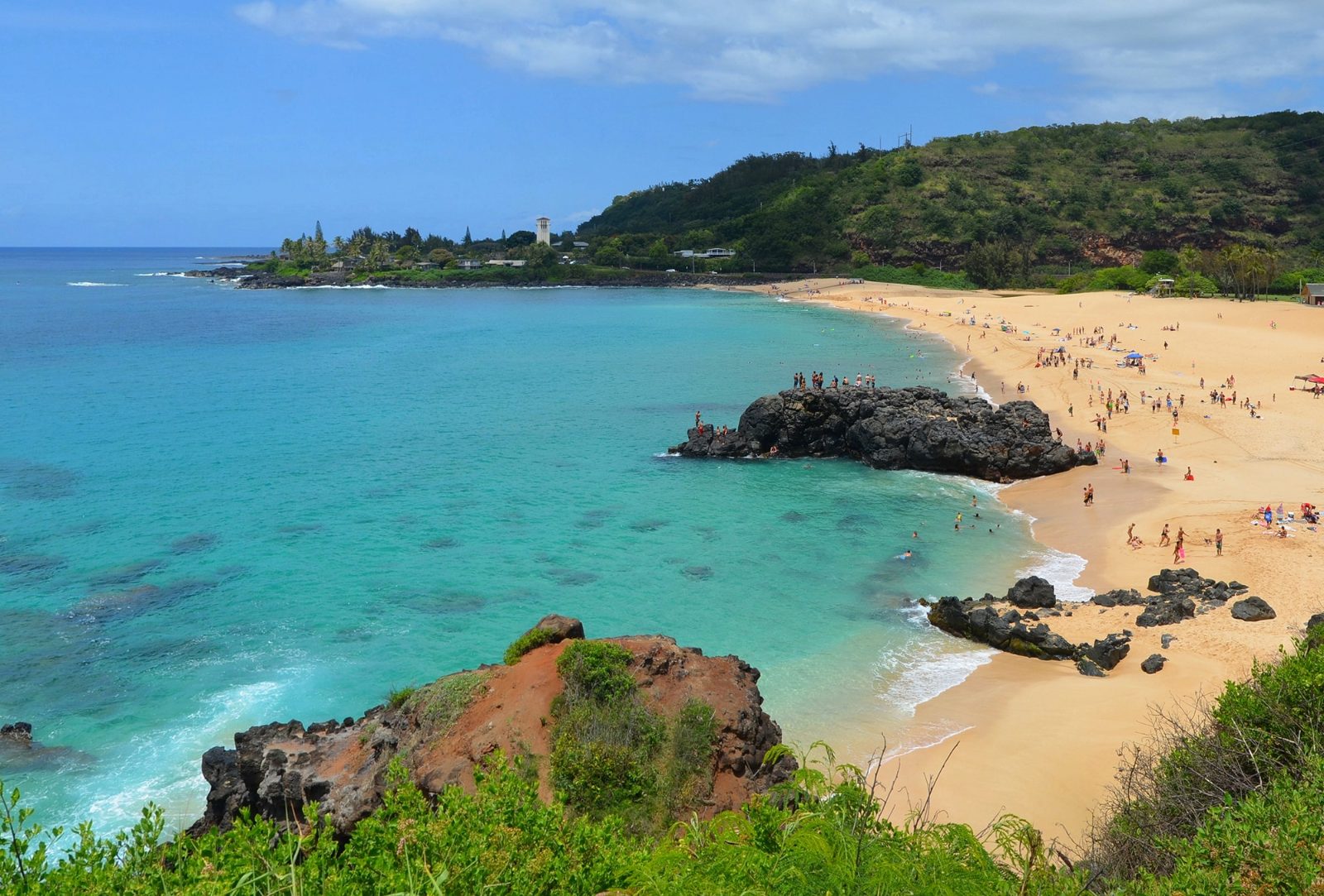
Waimea Bay
Known for its expansive sandy beach, this location offers a contrast to the rocky tide pools of Sharks Cove and is ideal for lounging after swimming.
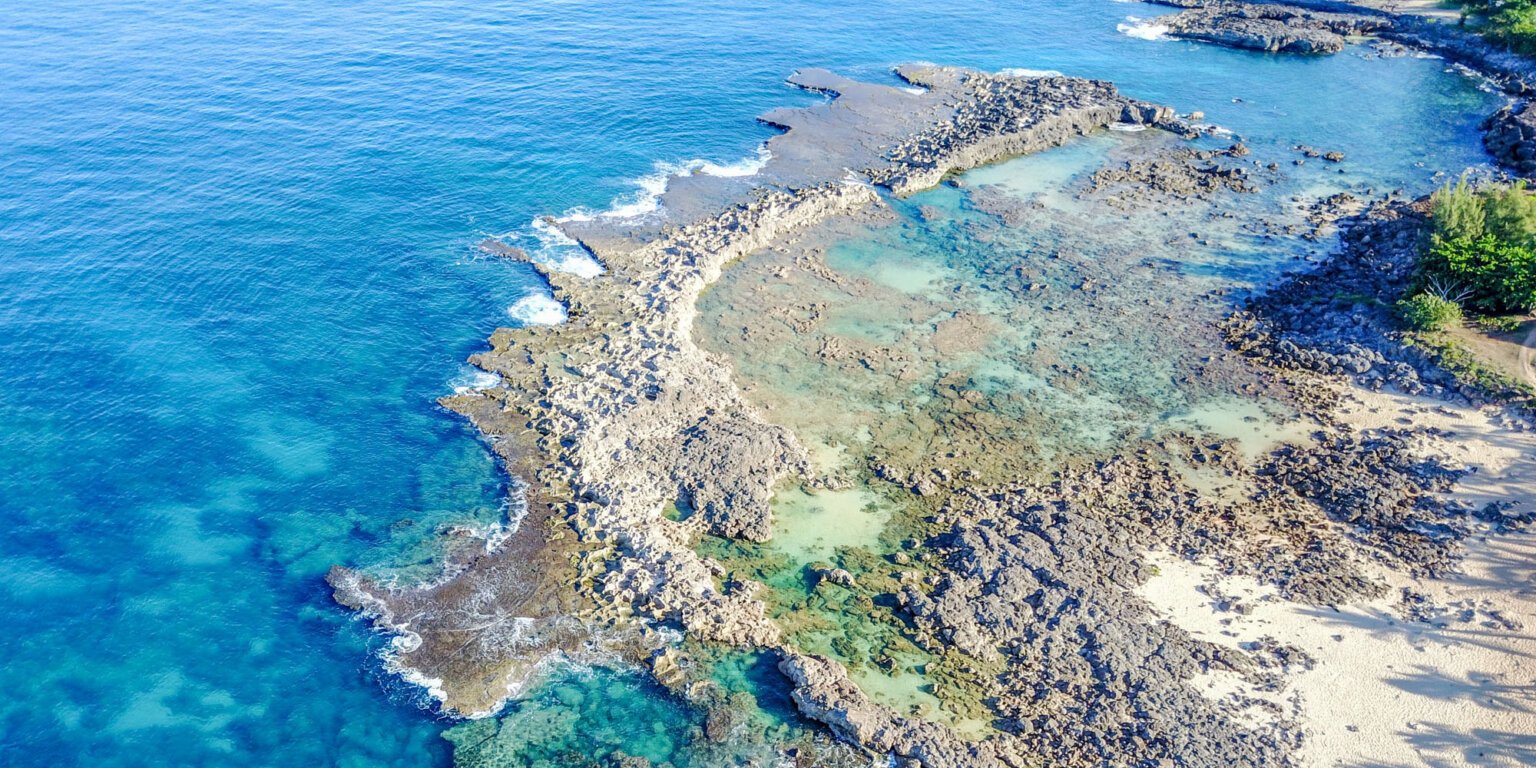
Pupukea Marine Life Conservation District
This protected area encompasses the cove itself and extends along the coastline, offering opportunities for coastal walking and observing local marine conservation efforts.
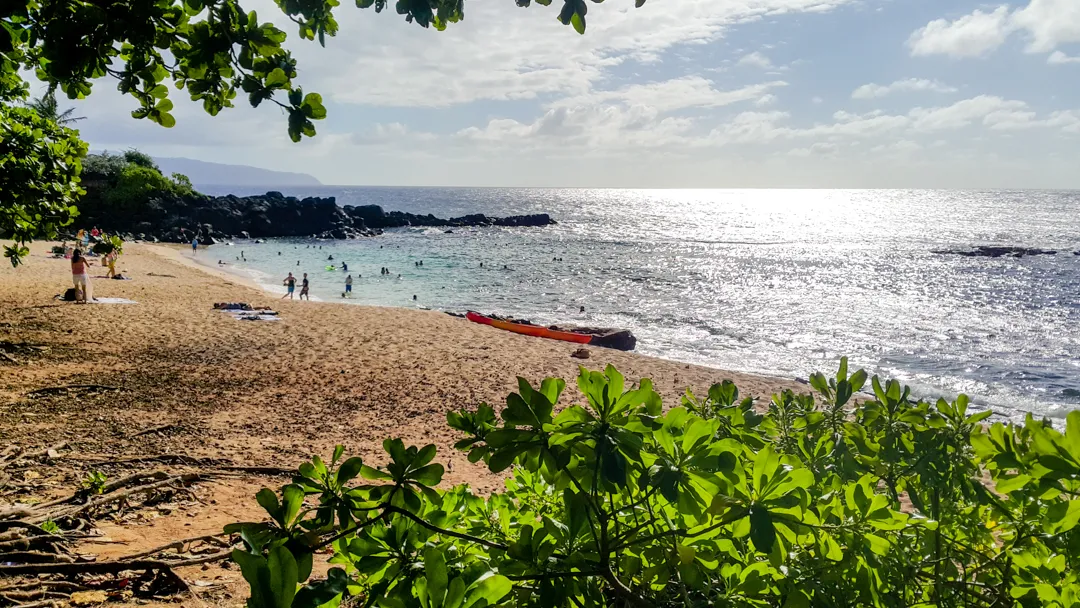
Three Tables Beach
Located just down the road, this spot features similar lava rock formations and reef systems, providing an alternative place to explore the underwater environment.
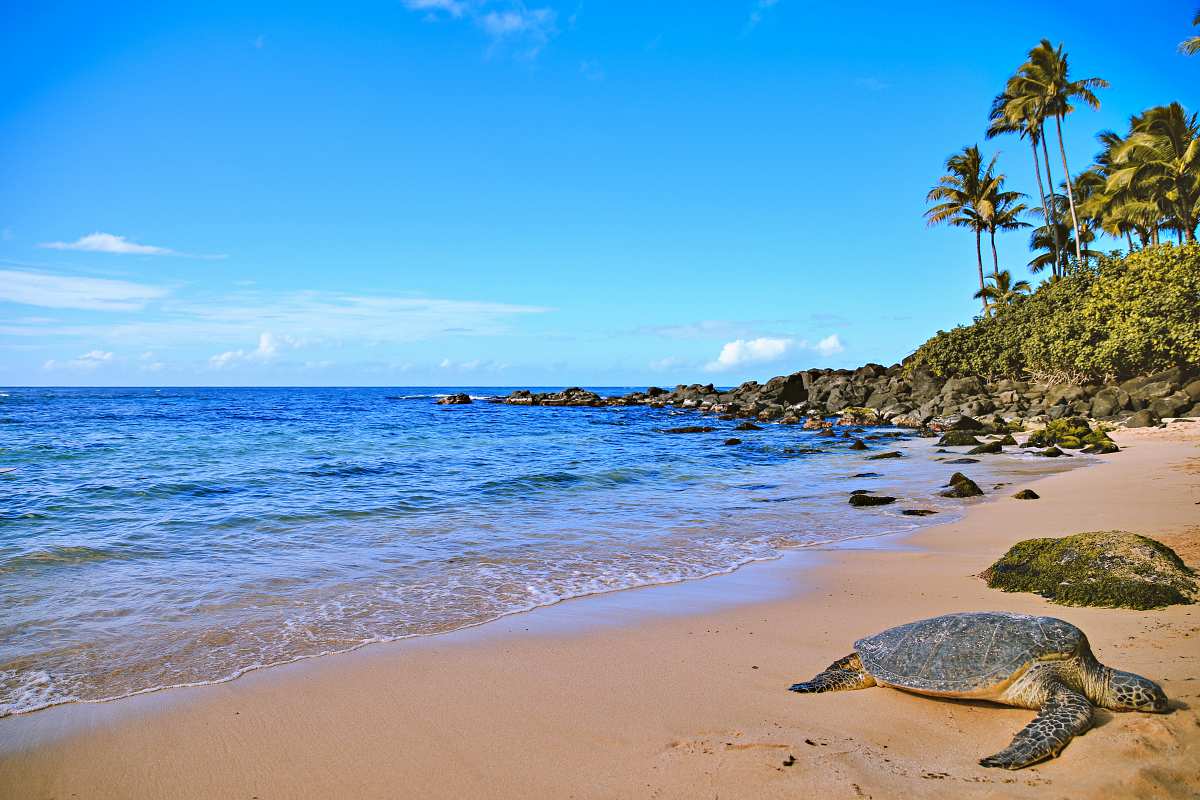
Laniakea Beach
Often called Turtle Beach, this area is frequented by green sea turtles resting on the sand, offering a land-based way to view local wildlife.
Check availability
Frequently asked questions about snorkeling Oahu Sharks Cove
Everything you need to know about snorkeling oahu sharks cove