

Quick answer
Guided boat tours to offshore reefs typically cost $90 to $150 per adult and include gear, instruction, and transportation. Equipment rental at beach shops runs $10 to $25 per day for mask, snorkel, and fins.
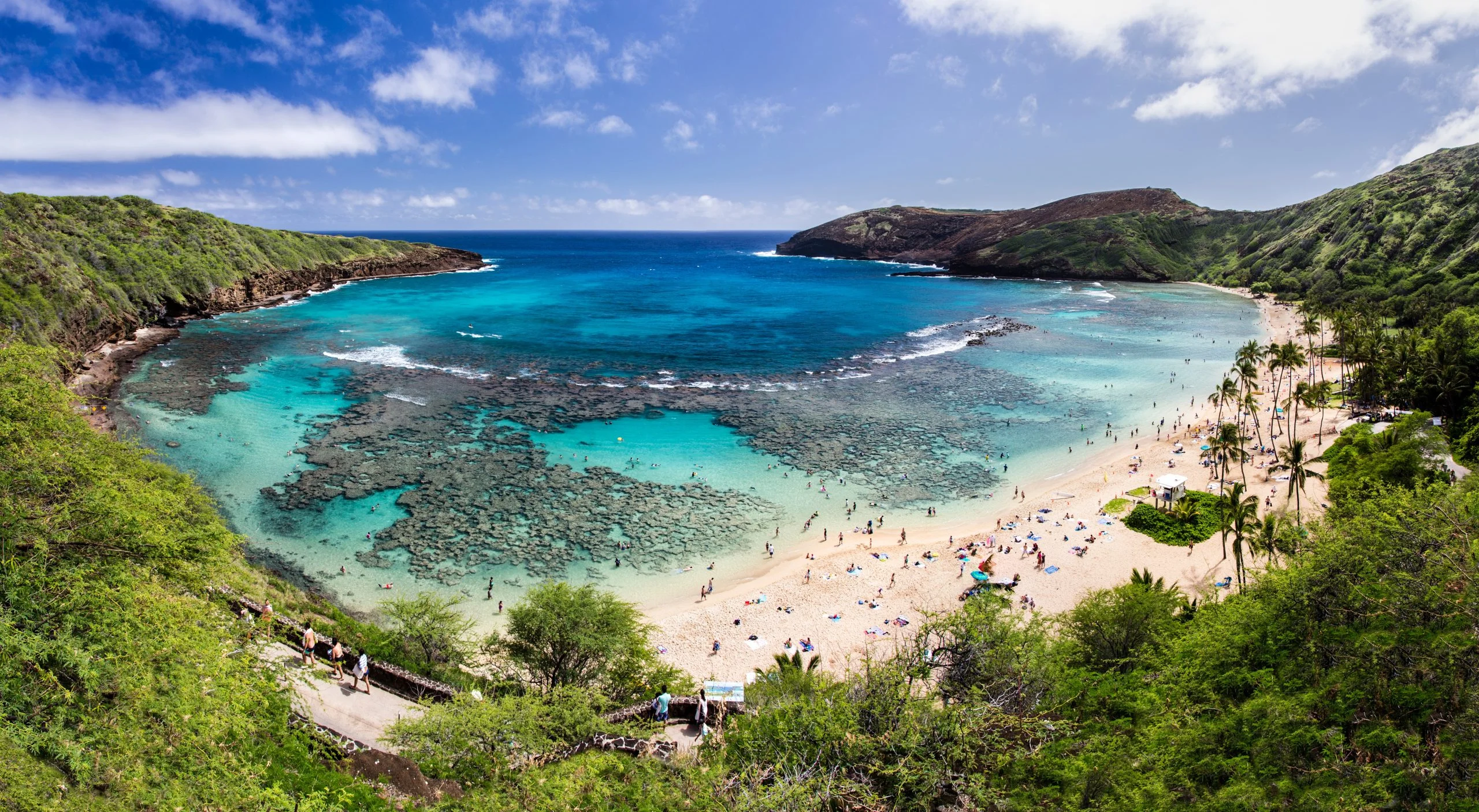
That fee supports reef restoration and educational programs inside a marine sanctuary that has protected its coral ecosystems since 1967. The cost covers entry only — you bring your own gear or rent it outside the reserve. Guided excursions to offshore locations like Turtle Canyon or the waters off Waikiki bundle equipment, boat transport, and safety oversight into a single price. These tours cost more because they reach sites inaccessible from shore, employ certified crew, and maintain liability coverage for open-water activities. Operators adjust pricing based on group size, trip duration, and whether meals or underwater photography are included. Peak-season demand between May and September often pushes rates toward the higher end of the range. Gear rental presents a separate line item for budget-conscious travelers. Beach vendors near popular snorkeling zones charge daily rates for standard mask-snorkel-fin sets, with prescription masks and wetsuit tops adding $5 to $15 each. Buying your own equipment before arrival eliminates rental fees entirely if you plan multiple days in the water. Most shops also rent flotation vests and reef-safe sunscreen, both of which carry nominal fees but prevent costly mistakes or sunburn that shortens your time on the water. The true cost of snorkeling Oahu includes factors beyond the headline figure: parking at shore sites fills early and may require a fee, while boat tours departing from marinas include dock access but expect gratuities for crew. Marine reserves enforce strict no-touch policies to protect fragile coral formations, and violating these rules results in fines that dwarf any entry fee. Planning around these variables ensures your snorkeling budget covers the experience you want without surprise expenses cutting your trip short.
Oahu Snorkeling Prices and Admission Fees
This fee supports the ongoing maintenance and protection of the marine ecosystem.
Adults pay 25 USD for entry, while children aged 12 and under may enter at no cost.
Best Time to Visit for Oahu Snorkeling Prices Value
The best arrival window is 06:45–08:00 to ensure entry before daily capacity is reached and to secure limited parking. Arriving early provides the best value for the conservation fee by allowing for a full day of access before site limits are met.
Weekday mornings
Minimal crowds—
Early arrivals avoid daily capacity limits and parking shortages.
Summer Months
High trafficWarm water, 78–82°F
Expect higher visitor density during June, July, and August.
Winter Months
Moderate trafficCooler water, 74–76°F
Lower ocean visibility may occur due to seasonal swells.
Shoulder Season
Reduced crowdsMild, 75–79°F
April, May, September, and October offer a balance of weather and visitor volume.
Verdict: The best time to visit is during the shoulder months of April or October, arriving between 06:45–08:00 to guarantee entry and parking access.
Oahu Snorkeling Prices and Essential Preparation
Arriving prepared ensures a smooth entry and more time in the water.
-
Bring reef-safe sunscreen — Chemical sunscreens are prohibited to protect the marine ecosystem.
-
Pack your own snorkel gear — Rentals are available on-site but bringing your own saves time and ensures fit.
-
Carry a valid photo ID — Required for check-in at the entry gate.
-
Wear water shoes or reef-safe footwear — The rocky shore and coral can be sharp underfoot.
-
Bring cash for the conservation fee — The $25 per adult entry is collected at the gate; children 12 and under enter free.
-
Pack a reusable water bottle — Staying hydrated is essential, and refill stations are available on-site.